Taking care of yourself does not have to mean booking an expensive retreat, buying new products, or following a complicated routine. Many helpful self-care activities use things you already have at home. The goal is to create small moments that help you feel rested, refreshed, organized, or connected.
Self-care looks different for everyone. Some people recharge through quiet time, while others feel better after moving their bodies, enjoying a hobby, or talking with a friend. Try a few ideas and notice which ones fit naturally into your day.
Create a Calm Space
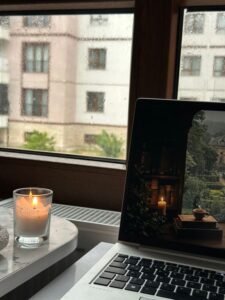
A relaxing environment can make ordinary downtime feel more special. You do not need to redecorate an entire room. A few small changes can make a noticeable difference.
Try a quick reset
Choose one small area, such as a bedside table, a chair, or one corner of the living room. Remove clutter, wipe the surface, and place one comforting item there. This could be a blanket, a book, a plant, or a favorite mug.
Keeping the project small makes it easier to finish. A tidy corner can become a regular place for reading, stretching, listening to music, or simply taking a break.
Adjust the atmosphere
Use what you already have to create a calmer setting:
– Turn off bright overhead lights and use a lamp instead.
– Open a window for fresh air, if the weather allows.
– Play soft music or enjoy a few minutes of quiet.
– Put your phone on silent while you take a break.
– Use a clean blanket or pillow to make the space comfortable.
These simple changes cost little or nothing and can help mark the transition from busy time to personal time.
Enjoy a Screen Free Break
Screens are useful, but constant notifications and scrolling can make it harder to feel rested. Set aside a short period without television, social media, or messages.
Start with 10 or 15 minutes. You could:
– Sit by a window and notice what you see.
– Make a cup of tea or another favorite drink.
– Look through printed photos.
– Do a puzzle or crossword.
– Read a few pages of a book or magazine.
– Write in a notebook.
If a full screen-free evening feels difficult, begin with one screen-free meal or the first 20 minutes after waking up. Small boundaries are often easier to maintain than strict rules.
Make a Simple At Home Spa Moment
An at-home spa experience can be as simple as slowing down and paying attention to comfort. You do not need specialty products.
Try taking a warm shower, changing into comfortable clothes, and applying a basic moisturizer you already own. You can also soak your feet in warm water for a few minutes, wrap yourself in a clean towel, or spend extra time brushing and styling your hair.
The relaxing part is not the product. It is the pause. Put on music, dim the lights, and avoid rushing through the routine.
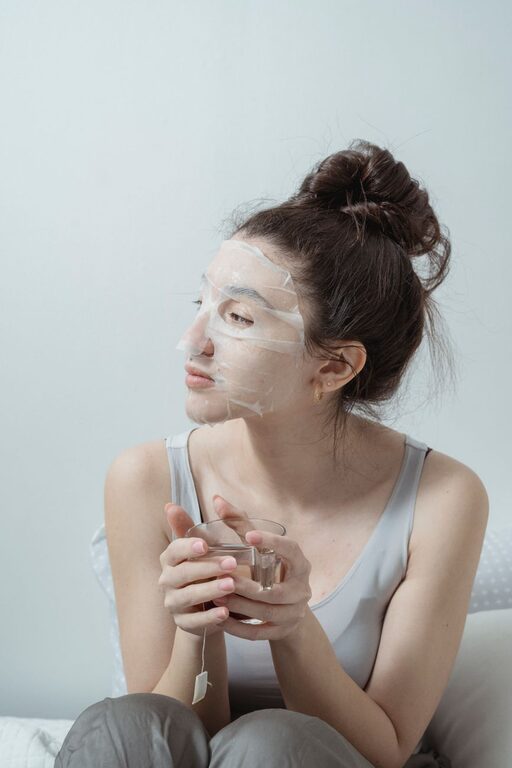
For a refreshing option, wash your face with your usual gentle cleanser and follow your normal routine. Avoid trying many new products at once, especially if you are unsure how your skin will respond.
Practice Free Ways to Move
Movement can be a useful way to break up a long day and reconnect with your body. It does not need to be intense or structured.
Choose an activity that feels comfortable for you:
– Walk around your home while listening to music.
– Dance to three favorite songs.
– Stretch gently for five minutes.
– Follow a free beginner movement video.
– Do light household tasks at a steady pace.
– Step outside for a short walk, if practical.
Try focusing on how the movement feels rather than treating it as a test. Even a few minutes can add variety to your day. If an activity causes discomfort, stop and choose something gentler.
Use Journaling to Clear Your Thoughts
Writing can help you slow down and organize your thoughts. You do not need a special journal. Any notebook, notepad, or digital document will work.
Set a timer for five minutes and write without worrying about grammar or structure. You might begin with one of these prompts:
– What has been taking up most of my attention today?
– What is one thing I handled well?
– What would make tomorrow feel a little easier?
– What am I looking forward to?
– What can I let go of for now?
Another option is to make a short list of things you appreciate. They can be very simple, such as a comfortable bed, a funny message, a sunny afternoon, or a meal you enjoyed.
Revisit a Favorite Hobby
Creative activities can make time at home feel more rewarding. Look for hobbies that use supplies you already have.
You could draw, color, bake, cook, knit, sew, take photos, write a short story, arrange flowers, or play an instrument. If you have not practiced a hobby in a while, set a small goal. Instead of finishing a large project, spend 15 minutes getting started.
You can also learn something through free resources. Borrow a book from a library, use a free tutorial, or ask a friend to show you a skill. The activity does not need to become productive or impressive. Enjoying the process is enough.
Prepare an Easy Comfort Meal
Food can be part of a relaxing routine without becoming an expensive project. Choose a simple meal or snack that feels satisfying and does not require unusual ingredients.
Ideas include:
– Toast with a favorite topping
– Homemade soup using pantry ingredients
– A baked potato with vegetables
– Pasta with a simple sauce
– Fresh fruit with yogurt
– Popcorn and a favorite movie
Make the meal feel special by using a plate you like, sitting at a table, or adding a drink you enjoy. Eating without multitasking can turn a basic meal into a more intentional break.
Connect With Someone You Care About
Self-care does not always need to be solitary. A free phone call, voice message, or video chat can help you feel connected.
Send a friend a photo, share a funny memory, or ask how their day is going. You could also arrange a low-cost virtual activity, such as watching the same movie, playing an online game, or cooking the same recipe while chatting.
If you prefer in-person connection, invite someone for a walk, a cup of coffee at home, or a relaxed conversation. Simple plans often feel more manageable than elaborate outings.
Build a Small Daily Routine
A self-care routine works best when it is realistic. Choose one or two activities that fit your schedule instead of trying to change everything at once.
For example, your routine might include:
- Drinking a glass of water after waking up.
- Opening the curtains and making the bed.
- Taking a short screen-free break in the afternoon.
- Writing down one task for tomorrow before bed.
- Spending 10 minutes on a favorite hobby.
Keep the routine flexible. Missing a day does not mean you have failed. Simply return to it when you are ready.
Make Self Care Feel Sustainable
The most useful self-care ideas are those you can repeat without adding stress or expense. Use what you already own, keep activities simple, and focus on how they support your daily life.
You might create a short list of favorite options for different moods: quiet activities for when you feel overwhelmed, creative activities for when you need a change, and social activities for when you want connection. Having a few choices ready makes it easier to care for yourself when you have limited time or energy.
Small actions matter. A tidy corner, a warm drink, a few minutes of movement, or a thoughtful message can all become meaningful ways to pause and recharge at home.