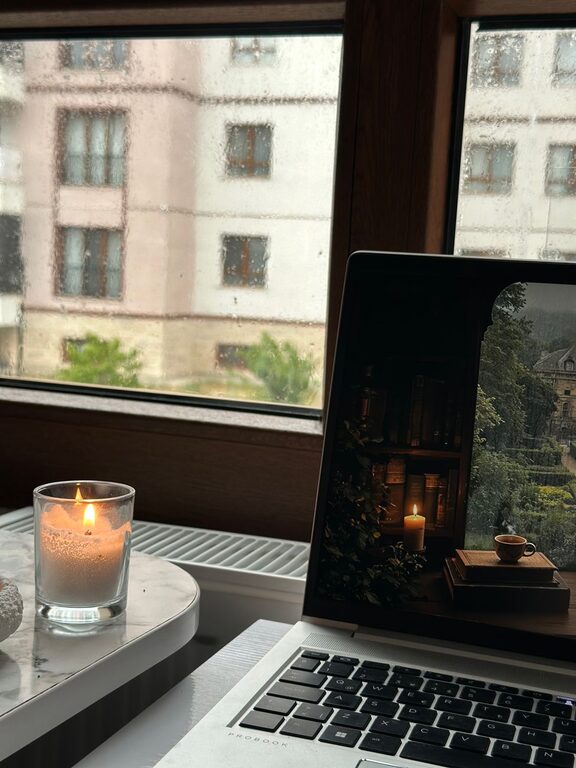
Working from home can be more enjoyable when your workspace feels calm, comfortable, and inviting. A relaxing home office does not require a large room or expensive furniture. With a few thoughtful changes, you can create a space that supports focus while helping you feel at ease throughout the day.
Choose the Right Location
Start by selecting the best available spot in your home. If you have a separate room, you can create a dedicated office. If space is limited, a corner of a bedroom, living room, or dining area can work just as well.
Look for a location with:
– Enough room for a desk and chair
– Access to natural light
– Minimal foot traffic
– Nearby electrical outlets
– Space for storage or organization
A quiet area can make it easier to concentrate, but complete silence is not required. Some people enjoy gentle background sounds, such as soft music or natural sound recordings. The most important thing is to choose a location that feels separate from the busiest parts of your home.
Keep the Color Palette Calm
Color has a strong effect on the overall feeling of a room. Soft, balanced shades can make a workspace feel more peaceful without becoming dull.
Consider colors such as:
– Warm white
– Light gray
– Pale blue
– Soft green
– Beige
– Muted earth tones
You do not need to repaint the entire room. Add calming colors through a desk mat, curtains, artwork, storage boxes, or a small rug. If you prefer brighter colors, use them as accents rather than covering every surface.
A simple color palette also makes the room feel less visually crowded. Choose two or three main shades and repeat them throughout the space for a coordinated look.
Prioritize Comfortable Furniture
Comfort is essential when you spend several hours at your desk. Begin with a chair that supports your back and allows your feet to rest flat on the floor. Your shoulders should feel relaxed, and your elbows should be close to your body while typing.
Your desk should provide enough space for your computer, notebook, and other daily tools. It does not need to be large, but it should not feel crowded. If the desk is too small, consider using a monitor stand, wall shelf, or small drawer unit to free up surface space.
A few simple comfort improvements can make a noticeable difference:
– Place a cushion on a firm chair if needed.
– Use a footrest if your feet do not reach the floor.
– Keep your screen at a comfortable viewing height.
– Use a separate keyboard and mouse when helpful.
– Leave enough room to move your arms freely.
Arrange your workspace so that frequently used items are easy to reach. This reduces unnecessary movement and helps the desk stay organized.
Make the Most of Natural Light
Natural light can make a home workspace feel brighter and more welcoming. Place your desk near a window if possible, but avoid positioning the screen directly in front of or behind the window. This can create glare or make it difficult to see the display.
A position perpendicular to the window often works well. You can also use curtains or blinds to soften strong sunlight during certain times of the day.
When natural light is limited, add a desk lamp with a warm, comfortable glow. A lamp with an adjustable head allows you to direct light where it is needed. Avoid harsh lighting that creates strong shadows or makes the room feel cold.
Layered lighting can create a more relaxing atmosphere. Combine general room lighting with a desk lamp and, if desired, a small decorative light placed on a shelf or nearby table.
Reduce Clutter
Clutter can make it harder to relax and focus. Start by removing items that do not belong in the workspace. Then group the remaining items according to how often you use them.
Keep daily essentials within easy reach, such as:
– Pens and pencils
– A notebook
– Headphones
– Chargers
– Important reference materials
Store less frequently used items in drawers, boxes, or cabinets. Cable clips, trays, and simple organizers can help keep cords under control. Labeling storage containers can also make it easier to find things without creating a mess.
Try to leave a small amount of open space on your desk. An uncluttered area gives the room a calmer appearance and provides room for writing, planning, or enjoying a cup of tea.
Add Natural Elements
Natural materials and plants can make a workspace feel warmer and more inviting. A small houseplant on a shelf or desk can add color and visual interest. If your workspace has limited natural light, choose a low-maintenance plant or use a realistic artificial alternative.
Other natural touches include:
– A wooden desk accessory
– A woven basket
– A stone paperweight
– A cotton or linen curtain
– A small vase of fresh or dried flowers
Choose only a few elements so the space remains simple. The goal is to create a connection with nature without adding extra maintenance or clutter.
Include Personal Touches
A relaxing workspace should feel like your own. Add a few objects that make you feel comfortable and positive, such as framed photos, a favorite piece of artwork, or a meaningful keepsake.
You might also create a small inspiration area with a calendar, a simple print, or a vision board. Keep this area focused and tidy so it feels encouraging rather than overwhelming.
Personal items can make a workspace more enjoyable, but too many decorations may become distracting. Select items that support the atmosphere you want to create.
Create a Simple Work Routine
The design of your workspace matters, but your habits matter too. A simple routine can help you begin and end the workday with less stress.
At the start of the day:
- Clear the main desk surface.
- Fill a water bottle or prepare a drink.
- Review your priorities.
- Open only the tools and documents you need.
At the end of the day:
- Put supplies back in their usual places.
- Close unnecessary tabs and applications.
- Write down unfinished tasks for the next day.
- Wipe the desk if needed.
- Turn off the work lights or close the workspace.
These small steps create a clear transition between work time and personal time. If your workspace is in a shared room, placing supplies in a basket or cabinet can make it easier to put everything away.
Use Scents and Sounds Carefully
Subtle sensory details can add to a relaxing atmosphere. A quiet playlist, gentle instrumental music, or natural background sounds may help create a steady environment. Keep the volume low enough that it does not interrupt concentration.
If you enjoy scented products, choose mild options that do not overwhelm the room. A lightly scented candle, diffuser, or sachet can add comfort, but always use these products safely and follow the manufacturer’s instructions.
The best choices depend on your personal preferences. If scents or background sounds become distracting, leave them out and keep the room simple.
Refresh the Space Regularly
Your workspace does not need to be perfect every day. Take a few minutes each week to remove unnecessary items, adjust the furniture, and check whether the setup still feels comfortable.
Ask yourself:
– Is the desk easy to use?
– Is the chair still comfortable?
– Do I have enough light?
– Are cables and supplies under control?
– Does the room feel calm when I enter it?
Small changes can keep the space pleasant and practical. A relaxing home workspace should support your daily routine, reflect your personal style, and make it easier to feel settled while you work.