
Your photos, documents, and personal files can be difficult or impossible to replace if a device is lost, damaged, or affected by a technical problem. A backup gives you an extra copy, so you can restore important files when something goes wrong.
The best backup plan is simple enough to use regularly. It should also include more than one copy and, when possible, more than one storage location. This guide explains how to create a practical backup system for photos and files at home or on the go.
Start by Choosing What to Back Up
Before selecting a backup method, make a list of the files you want to protect. These may include:
– Photos and videos
– Personal and work documents
– Tax, school, or project files
– Contacts and calendars
– Music and other media
– Website files or creative projects
– Saved emails and messages
– Device settings and app data
You do not need to back up every file on your device. Temporary downloads, duplicate files, and items that can easily be replaced may not need extra storage. Focus first on files that are important, personal, or difficult to recreate.
It can also help to organize files into clear folders before backing them up. For example, you might use folders named “Photos,” “Documents,” “Projects,” and “Personal.” A simple structure makes it easier to find files later.
Use the Three-Copy Rule
A useful approach is to keep at least three copies of important files:
- The original files on your computer, phone, or tablet
- A backup copy on another device
- An additional copy stored somewhere separate
The third copy can be stored in the cloud or on another drive kept in a different location. This approach helps protect against several problems at once. If your computer fails, the external copy may still be available. If a local drive is damaged or lost, an online copy may remain safe.
You do not have to create all three copies on the same day. Start with one reliable backup, then add another option as your collection grows.
Back Up to an External Drive
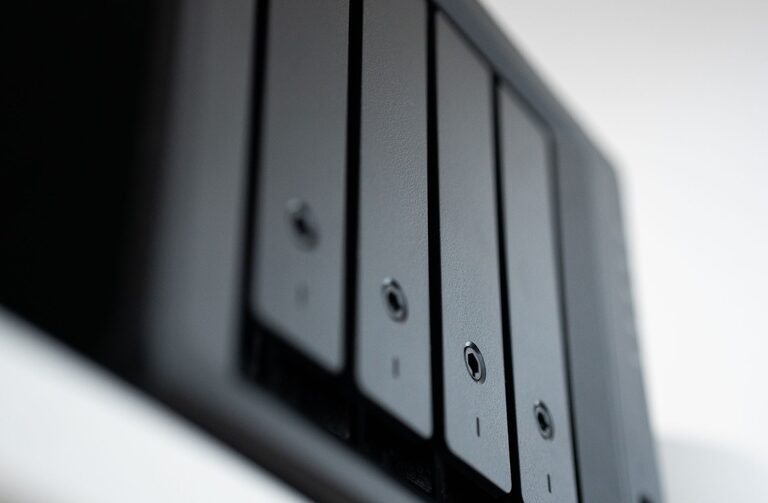
An external hard drive or solid-state drive is one of the simplest ways to create a local backup. These drives connect to a computer with a cable and are available in different storage sizes.
How to use an external drive
- Choose a drive with enough space for your files.
- Connect it to your computer.
- Copy important folders to the drive.
- Safely eject the drive when finished.
- Disconnect and store it in a secure location.
Many computers include built-in backup tools that can copy files automatically. These tools may also save older versions of files, which can be useful if a file is accidentally changed or deleted.
For photos and videos, check the total size of your collection before buying a drive. Video files often require much more space than photos or documents. It is helpful to choose a drive with extra capacity for future files.
Store the drive safely
Do not leave your only backup drive connected to your computer all the time. If the computer is damaged, stolen, or affected by unwanted software, the connected drive may also be at risk.
When the backup is complete, disconnect the drive and keep it in a cool, dry place. Avoid placing it near liquids, heat sources, or areas where it could be dropped. If the drive contains sensitive information, consider using the device’s password or encryption features.
Use Cloud Storage for an Off-Site Copy
Cloud storage keeps files on remote servers that you access through the internet. It can provide an additional copy of your photos and documents and may automatically sync files from your devices.
When comparing cloud storage services, look for:
– Enough storage for your current collection
– Automatic backup or syncing
– Support for your phone and computer
– File recovery or version history
– Clear privacy and security settings
– A simple way to download your files
– Reasonable storage limits and pricing
Some services are designed mainly for file storage, while others focus on photo libraries. A photo backup service may automatically organize images by date, location, or subject. A file storage service may be more useful for documents and folders.
Cloud storage depends on an internet connection, so it should not always be your only backup. Also, syncing is not exactly the same as backing up. If you delete a file from a synced folder, that deletion may be copied to other devices. Check whether the service offers a recycle bin, version history, or a separate backup feature.
Back Up Photos From Your Phone
Phones often contain years of photos, videos, and messages. Turn on automatic photo backup if your device and storage service support it. This can upload new images whenever the phone is connected to Wi-Fi or power.
To improve your phone backup:
– Confirm that automatic uploads are enabled.
– Check whether videos are included.
– Review the upload quality and storage settings.
– Keep the phone connected to Wi-Fi until uploads finish.
– Open the photo service on another device to confirm files are available.
– Avoid deleting originals until the backup is complete.
If your phone is running low on space, you may be able to remove local copies after confirming that full-resolution versions are safely stored elsewhere. Always check the service’s settings before removing photos from the device.
Create a Regular Backup Schedule
A backup is most useful when it includes recent files. Choose a schedule that matches how often you create or change information.
A simple schedule might look like this:
– Automatic cloud backup for daily photos and documents
– External drive backup once a week
– A separate off-site copy once a month
– A full review of the backup plan twice a year
You can use calendar reminders to make manual backups easier to remember. If you work with important files every day, consider using software that runs automatic backups in the background.
Test Your Backups
A backup is not complete until you know you can restore files from it. At least occasionally, open the backup and restore a few photos or documents to a different folder.
Check that:
– The files open correctly
– Photos have the expected quality
– Folder names and dates are easy to understand
– The backup includes recent files
– You know the password or recovery information
– Your cloud account can be accessed from another device
Testing helps identify problems such as disconnected backup drives, incomplete uploads, forgotten passwords, or damaged storage devices.
Protect Your Backup Accounts and Devices
Keep your backup accounts secure by using strong, unique passwords. Turn on two-step verification when it is available. Keep your computer, phone, backup applications, and storage devices updated.
Avoid sharing your main backup account with other people. If you need to share photos or files, use the service’s sharing tools instead of giving someone your password. Review shared links and account access from time to time, and remove access that is no longer needed.
Make a Backup Plan You Can Maintain
The best backup system is one that fits your habits and budget. You might begin with an external drive and automatic phone photo backup. Later, you can add a second drive or another cloud copy for extra protection.
Keep your folders organized, label external drives, and record when each backup was completed. Most importantly, do not wait until a device shows signs of failure. Set up your backup plan while your files are still safe, then review it regularly to make sure it continues to work.