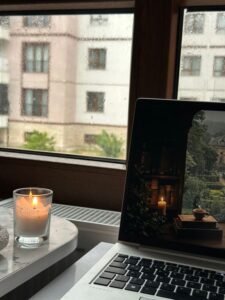

A weekend is meant to offer a break from the usual workweek, but it can quickly become just as busy. Errands, social plans, household tasks, and unfinished work can fill every hour. By Sunday evening, you may feel as tired as you did on Friday.
A no-stress weekend does not require a perfect schedule or a long trip. It starts with deciding what you want from your time off and making a few thoughtful choices before the weekend begins. With a simple plan, you can enjoy more of your free time without feeling rushed.
Start With a Simple Weekend Goal
Before making plans, ask yourself what kind of break you need. Your answer will help you avoid filling the weekend with activities that do not support your energy or priorities.
You might want to:
– Rest after a demanding week
– Spend quality time with family or friends
– Get outdoors
– Work on a hobby
– Catch up on a few important tasks
– Explore somewhere nearby
– Prepare for the week ahead
Choose one main goal and, if you like, one or two smaller goals. Keeping your list short makes it easier to enjoy the weekend instead of treating it like a project to complete.
For example, your main goal might be to rest. A smaller goal could be preparing a few meals or meeting a friend for coffee. This approach creates direction without putting pressure on every hour.
Finish Essential Tasks Before the Weekend
A little preparation on Friday can make the rest of the weekend feel much lighter. You do not need to complete every task, but handling a few essentials can prevent them from taking over later.
Consider doing the following before you finish work:
– Write down unfinished tasks for the next workday
– Tidy the main living areas
– Check your calendar for weekend commitments
– Pick up groceries or order what you need
– Wash any clothes needed for planned activities
– Set an automatic reply for work messages, if appropriate
Writing down unfinished work is especially helpful. It gives your mind a clear place to store those thoughts so you are less likely to repeat them throughout the weekend. A short list for Monday is often enough.
Try to avoid starting a large cleaning project or adding unnecessary errands at the last minute. The goal is to create a comfortable starting point, not to make Friday another exhausting day.
Build a Flexible Schedule
A useful weekend plan should provide structure without making you feel trapped. Instead of scheduling every hour, create a short list of fixed plans and flexible options.
Start by marking the activities that have a specific time, such as:
– A reservation
– A class or event
– A visit with family
– A travel departure
– A household appointment
Then add a few activities that can happen whenever you feel ready. These might include reading, walking, cooking, visiting a local store, or watching a movie.
Leave open spaces between commitments. Travel time, meals, getting ready, and unexpected delays all take longer than expected. A schedule with breathing room is much easier to enjoy than one that depends on perfect timing.
Use the One Main Plan Rule
A simple way to prevent an overloaded day is to choose one main plan for each day. You can add small activities around it, but avoid booking several major commitments close together.
For example:
– Saturday: Visit a local market
– Sunday: Take a walk and prepare for the week
If you feel energetic, you can add more. If you feel tired, the main plan still gives the day a pleasant focus.
Plan Easy Meals
Food can become a major source of weekend stress when every meal requires a decision. Planning a few simple options ahead of time can save time and reduce last-minute trips.
Choose meals that are easy to prepare and enjoyable to eat. You might:
– Cook a larger meal and use leftovers
– Prepare breakfast ingredients the night before
– Keep a few quick pantry meals available
– Plan one meal out instead of several
– Ask guests to bring a dish to share
– Make a simple shopping list and avoid browsing without a plan
Do not treat every meal as an opportunity to try a complicated recipe. A no-stress weekend is a good time for familiar favorites, easy combinations, and foods that require little cleanup.
Set Boundaries Around Work
It can be difficult to relax when work messages are always within reach. If possible, decide when you will check email and messages before the weekend starts.
You may choose to:
– Turn off work notifications
– Keep your work phone in another room
– Check messages only once at a planned time
– Tell colleagues when you will be available
– Write down work thoughts instead of acting on them immediately
If your job requires weekend availability, create a clear window for it. Knowing when you will handle work can help keep it from spreading across the entire day.
A boundary does not need to be complicated. Even a few hours without work-related notifications can make your time feel more like a real break.
Make Space for Rest
Rest does not have to mean doing nothing all day. It can include any activity that helps you slow down and feel present.
Consider making time for:
– A quiet breakfast
– A walk without a packed schedule
– Reading a book
– Listening to music
– A hobby
– A relaxed conversation
– An afternoon without screens
– Going to bed at a comfortable time
Avoid judging rest by how productive it looks. You do not need to finish a book, reach a step goal, or complete a creative project for the time to be valuable. The purpose is to give yourself a change of pace.
Keep Social Plans Comfortable
Spending time with people you enjoy can make a weekend more rewarding, but too many social commitments can leave you feeling drained. Choose plans that match your energy and be honest about how much time you have.
When making plans, consider:
– How long the visit will last
– How much travel is involved
– Whether you need quiet time before or afterward
– Whether the activity suits your current energy
– If you can leave early without causing difficulty
It is also fine to suggest low-key plans, such as coffee at home, a short walk, or a shared meal. Social time does not have to be elaborate to be meaningful.
Leave Room for the Unexpected
A perfectly planned weekend can still be stressful if there is no room for change. Weather, delays, tiredness, and new opportunities may require you to adjust your plans.
Create flexibility by keeping one or two parts of the weekend open. If an activity no longer sounds appealing, replace it with something easier. If you discover a local event or receive an invitation, you can decide without having to cancel a crowded schedule.
A good plan is a guide, not a contract. Changing it does not mean the weekend has gone wrong.
End the Weekend Gently
Sunday evening can feel rushed when preparation is left until the last minute. Set aside a short period to make Monday easier, but keep the process simple.
You could:
– Choose an outfit
– Review the next day’s schedule
– Prepare a basic breakfast or lunch
– Put important items by the door
– Tidy one small area
– Write down your first few priorities
Avoid turning Sunday night into a full work session. Ten to twenty minutes of preparation is often enough to create a smoother start.
The best no-stress weekend is not the one with the most activities. It is the one that reflects what you need, includes enough space to breathe, and leaves you feeling ready for the week ahead. Start with one clear goal, make a flexible plan, and give yourself permission to enjoy time that does not need to be productive.