
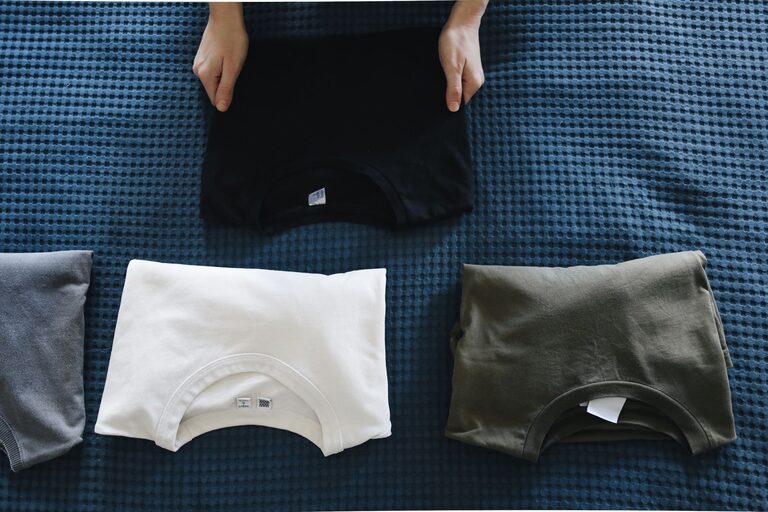
Clothing can last much longer when it receives the right care. Small habits, such as washing items less often, using cooler water, and storing garments properly, can help prevent fading, stretching, shrinking, and fabric damage.
Caring for clothes also makes it easier to enjoy your wardrobe. You may save money by replacing fewer items, while well-maintained garments continue to look and feel their best. Use these practical tips to protect your clothes from everyday wear.
Read the Care Label First
Care labels provide useful instructions for washing, drying, ironing, and professional cleaning. Before cleaning a new garment, check the label for important details such as:
– Recommended water temperature
– Hand-washing or machine-washing instructions
– Whether the item can go in a dryer
– Ironing temperature
– Instructions for bleach or special cleaning
– Whether the garment should be dry cleaned
Care labels are a helpful starting point, but you should also consider the fabric, color, and construction of the item. Delicate materials, decorative details, and structured clothing often need more gentle treatment than basic cotton garments.
If a label is difficult to understand, look for common care symbols online or follow the gentlest option available.
Wash Clothes Only When Needed
Washing too often can wear down fibers, fade colors, and reduce the shape of a garment. Not every item needs to be washed after one use.
Items such as underwear, socks, workout clothing, and clothing that touches the skin directly usually need frequent washing. Sweaters, jeans, jackets, and loose outer layers may only need washing when they are visibly dirty, have an odor, or have picked up spills.
Between wears, air clothing out before putting it away. Hang it in a well-ventilated space for a few hours. This simple step can help remove light odors and reduce the need for unnecessary washing.
Prepare Clothes Before Washing
A few minutes of preparation can prevent common laundry problems.
Sort by Color and Fabric
Separate light, dark, and bright-colored clothing to help prevent color transfer. It is also useful to wash heavy items, such as towels and denim, separately from lightweight fabrics.
Keep delicate items away from garments with zippers, hooks, or rough surfaces. These features can catch on soft fabrics and cause pulls or snags.
Check Pockets
Remove tissues, pens, coins, and other objects from pockets. A forgotten item can stain an entire load or damage the washing machine.
Close Fasteners
Zip zippers, fasten hooks, and close snaps before washing. This reduces the chance of fasteners catching on other clothing. For delicate items, place them in a mesh laundry bag for extra protection.
Turn Garments Inside Out
Turning dark clothing, printed shirts, jeans, and embroidered pieces inside out can help protect their outer surfaces. This may reduce fading, pilling, and friction during the wash.
Use Gentle Washing Settings
Cool or cold water is often enough for everyday laundry and can be gentler on fabric and color. Warmer water may be suitable for certain heavily soiled items, but always follow the care label.
Choose a gentle or regular cycle based on the garment’s needs. Avoid overloading the machine because clothes need room to move through the water. A crowded washer may not clean items properly and can create more wrinkles and friction.
Use the recommended amount of detergent. More detergent does not necessarily mean cleaner clothes. Excess soap can remain in fabric, make clothes feel stiff, and require additional rinsing.
For delicate garments, use a mild detergent and a gentle cycle, or wash them by hand if the care label recommends it.
Handle Stains Quickly
Fresh stains are usually easier to remove than old, set-in stains. Treat spills as soon as possible by gently blotting the area with a clean cloth. Avoid rubbing aggressively, as this can push the stain deeper into the fibers or spread it across the fabric.
Before using a stain remover, test it on a hidden area. Different fabrics and dyes can react in different ways. Apply the product according to its instructions, then wash the item as recommended.
Avoid putting a stained garment in the dryer until you are sure the stain is gone. Heat can make some stains more difficult to remove.
Dry Clothes Carefully
The dryer is convenient, but frequent high heat can shrink fabric, weaken elastic, and cause clothing to lose its shape. When possible, air-dry garments according to their care instructions.
Use the Right Drying Method
– Lay sweaters and other stretchy items flat to help them keep their shape.
– Hang shirts and blouses on suitable hangers.
– Use a drying rack for delicate pieces.
– Keep dark clothing out of strong direct sunlight to reduce fading.
– Shake garments gently before hanging them to reduce wrinkles.
– Avoid hanging heavy wet knits, which may stretch at the shoulders.
If you use a dryer, select a lower heat setting when appropriate and remove clothes promptly when the cycle ends. Clean the lint filter after each load to support safe, efficient drying.
Prevent Pilling and Snags
Pilling happens when loose fibers gather into small balls on the surface of fabric. Friction from washing, wearing, bags, and furniture can make pilling more likely.
To reduce it, wash soft garments inside out, use a gentle cycle, and avoid mixing them with rough items. Keep clothing away from sharp jewelry, rough countertops, and damaged bags that could snag the fabric.
If a garment develops small pills, use a fabric shaver or lint comb carefully. Do not pull pills off by hand, as this may damage the fabric.
Store Clothes Properly
Good storage helps clothing keep its shape and protects it from dust, moisture, and unnecessary wear.
Use sturdy, properly sized hangers for jackets, blazers, dresses, and woven shirts. Avoid thin wire hangers, which may leave marks or distort the shoulders.
Fold heavy sweaters, knitwear, and stretchy garments instead of hanging them. Hanging can cause these items to stretch over time.
Before storing seasonal clothes, make sure they are clean and completely dry. Food particles, body oils, and moisture can attract pests or create odors during long-term storage. Store clothing in a cool, dry place, and avoid tightly packing items.
Give garments enough space for air to circulate. If you use storage containers, choose clean, breathable options when possible. Avoid sealing damp clothing in plastic bags.
Repair Small Problems Early
Minor damage can become more difficult to fix if ignored. Sew on loose buttons, repair small tears, and reinforce weak seams as soon as you notice them.
Keep a small repair kit with:
– Needles
– Thread in common colors
– Spare buttons
– Small scissors
– Safety pins
– A measuring tape
For valuable or complicated garments, consider taking them to a skilled tailor or repair service. Simple repairs can extend the life of clothing and help you continue wearing pieces you already enjoy.
Refresh Your Wardrobe Regularly
At the end of each season, inspect your clothing before storing it. Look for stains, loose threads, missing buttons, and damaged zippers. Clean and repair items before putting them away.
Organize your wardrobe so that clothing is easy to see and reach. When garments are not buried in crowded drawers or closets, you are less likely to overlook them or handle them roughly.
With careful washing, thoughtful drying, proper storage, and timely repairs, your clothes can remain comfortable and attractive for much longer. A few consistent habits make a noticeable difference and help you get more value from every item in your wardrobe.