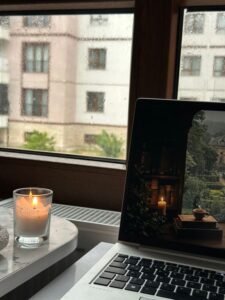

Evenings do not need to be perfectly quiet or carefully planned to feel calmer. Often, a few small changes can make the hours after work or school feel less rushed. The goal is not to create another demanding schedule. Instead, it is to build a gentle rhythm that helps you shift from daytime responsibilities to personal time.
A calmer evening routine can be simple, flexible, and suited to your household. Try one or two ideas at first, then keep the changes that fit naturally into your life.
Start With a Clear Transition
The end of the day can feel unfinished when work, chores, errands, and personal tasks run into one another. A short transition can help separate daytime duties from the rest of the evening.
This transition does not need to take long. It might include:
– Changing into comfortable clothes
– Putting away work items
– Taking a short walk
– Washing your hands and face
– Making a cup of tea or a glass of water
– Playing quiet background music
– Spending five minutes tidying one area
Choose an activity that signals, “The busy part of the day is changing.” Repeating the same action can make the transition feel familiar and automatic.
Create a Simple Arrival Habit
If you come home tired, decide in advance where common items belong. For example, place keys in one bowl, bags on one hook, and shoes in one spot. This small amount of organization can prevent a later search when you are ready to relax.
You can also set a short limit for the first round of evening tasks. Instead of trying to finish everything immediately, choose the most important task and leave the rest for later or another day.
Reduce Evening Decisions
Too many choices can make an evening feel more demanding than it needs to be. A few prepared options can reduce the amount of planning required when your energy is low.
Consider creating simple lists for:
– Easy dinners
– Quick household tasks
– Relaxing activities
– Clothing for the next day
– Weekend errands
These lists do not need to be elaborate. A note on your phone or a piece of paper on the refrigerator may be enough.
Plan a Short Dinner Menu
Planning several meals at once can reduce last-minute decisions. Keep a list of familiar meals that use ingredients you usually have available. Include options for different levels of energy, such as a meal that takes a little more preparation and one that can be assembled quickly.
The goal is not to cook a perfect meal every night. It is to make dinner feel more manageable.
Use Lighting to Set the Mood
Lighting can change the feeling of a room quickly. As the evening progresses, turn off bright overhead lights where possible and use smaller lamps instead. A table lamp, reading light, or soft hallway light can make the space feel more settled.
You do not need special equipment to try this. Simply notice which lights feel harsh or distracting and switch off the ones you do not need.
If you spend the evening in more than one room, prepare those spaces before you settle in. Straighten a chair, place a book nearby, or clear a small surface. These tiny preparations make it easier to enjoy the time without additional effort.
Set Gentle Boundaries Around Devices
Phones, tablets, computers, and televisions can be useful ways to relax, but they can also keep the evening feeling busy. Notifications, messages, and endless scrolling may make it harder to notice when you need a break.
Try one small boundary rather than changing everything at once:
– Turn off nonessential notifications
– Keep your phone in one place for part of the evening
– Set a time to stop checking work messages
– Choose one program instead of browsing repeatedly
– Charge devices away from your favorite relaxing space
– Take a short screen free break before bed
These boundaries are easier to maintain when they are specific. “Use my phone less” is vague, while “leave it on the entryway table during dinner” gives you a clear action.
Choose Intentional Screen Time
Screen time can feel more relaxing when you choose it deliberately. Decide what you want to watch, read, or listen to before opening an app. This can prevent a long search through options and make the activity feel more purposeful.
You can also pair screen time with a calming setting, such as lower lighting, a comfortable chair, or a warm drink.
Make Tomorrow Easier
A calm evening often includes a few minutes of preparation for the next day. Preparing everything at once may feel like another chore, so keep this step short.
You might:
– Check your calendar
– Place essentials by the door
– Choose an outfit
– Pack a bag
– Refill a water bottle
– Write down one important morning task
– Clear the surface where you will begin the day
Five to ten minutes can be enough. The purpose is not to organize your entire life. It is to remove a few common sources of morning pressure.
Use a “Close the Day” List
A short closing list can help you remember what matters without keeping every task in your head. Write down unfinished items, then mark which ones can wait.
For example:
- Note anything that must happen tomorrow.
- Choose the first small action for the morning.
- List any task that can wait until later.
- Put the note somewhere easy to find.
This creates a clear stopping point and reduces the temptation to keep working simply because something remains unfinished.
Add One Quiet Activity
A quiet activity gives your mind a chance to slow down without requiring complete silence. Choose something pleasant and easy to begin.
Ideas include:
– Reading a few pages
– Stretching gently
– Drawing or coloring
– Working on a puzzle
– Folding laundry while listening to music
– Writing in a journal
– Taking care of houseplants
– Sitting outside for a few minutes
– Preparing items for a hobby
The best activity is one you are likely to enjoy regularly. It should feel like a welcome part of the evening, not a task you must complete.
Tidy Less, But More Often
A large cleaning session at the end of the day can make relaxation feel far away. Instead, try a short reset with a clear stopping point.
Set a timer for five or ten minutes and focus on one area, such as the kitchen counter, living room, or entryway. Put away obvious items, gather anything that belongs elsewhere, and stop when the timer ends.
A small reset can make the next morning easier without taking over the evening. If the space is already reasonably tidy, skip this step and use the time for rest.
Keep the Routine Flexible
A routine should support your life, not make you feel unsuccessful when plans change. Some evenings will be busy, social, or unpredictable. On those days, use a shorter version of your routine.
Your “minimum routine” might be:
– Put away essential items
– Prepare one thing for tomorrow
– Turn down bright lights
– Spend ten minutes on a quiet activity
On less demanding evenings, you can add cooking, tidying, reading, or other activities. This flexible approach makes the routine easier to return to after an interruption.
Make Changes One at a Time
It is tempting to redesign the entire evening at once. However, too many changes can become another source of pressure. Start with one adjustment that solves a real problem.
For example, if mornings feel rushed, prepare your bag at night. If you keep losing time to notifications, create a phone-free part of the evening. If the house feels unsettled, try a short reset before sitting down.
Give the change several days before deciding whether it works. Notice how it fits your schedule, energy, and preferences. A calmer evening does not come from following a perfect plan. It comes from creating a few reliable moments that make the day feel complete.